
Teens are at a pivotal stage — gaining independence, making choices, and preparing for adult life. Teaching life skills for kids helps them build confidence, resilience, and practical competence. This guide lists essential abilities to focus on and simple ways parents and educators can teach them.
Financial basics
Understanding budgeting, saving, and how credit works sets the foundation for independence. Start with pocket money management and introduce bank accounts, basic bills, and simple budgets. Project-based practice — like planning a small purchase — makes concepts stick.
Quick Answer: How Can Parents Support Emotional Growth in Children?
Parents can support emotional growth in children by helping them name feelings, validating emotions before correcting behaviour, creating predictable routines, modelling calm responses, encouraging empathy and using stories, play and simple reflection activities. Emotional growth is not built in one conversation; it develops through repeated, safe and loving everyday interactions.
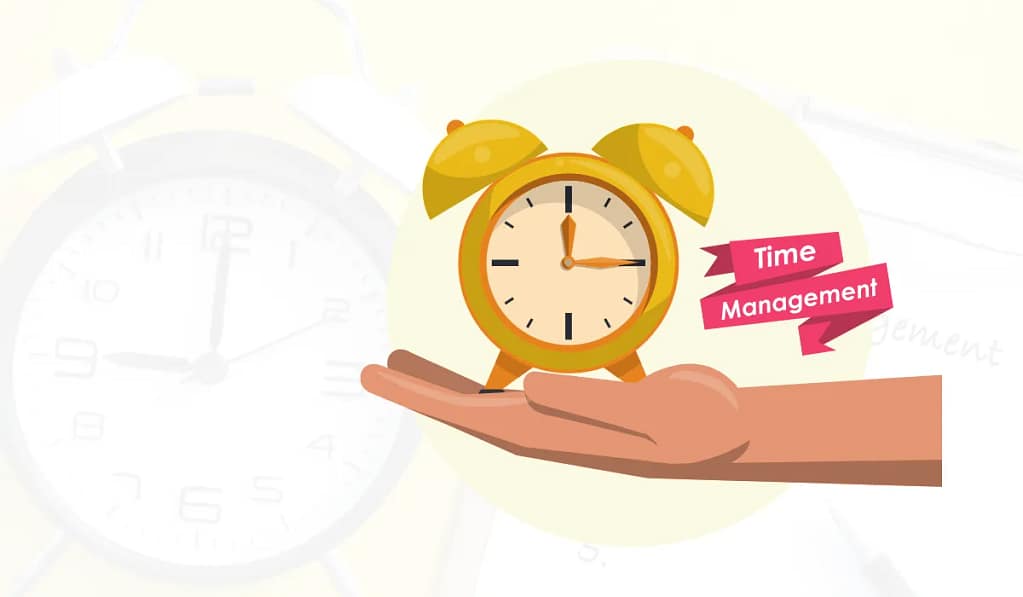
- Time management
Balancing school, extracurriculars and downtime requires planning. Encourage use of planners, set realistic goals, and model prioritization to help teens manage their days more effectively. Breaking tasks into blocks and using timers can reduce overwhelm.
- Communication and self-advocacy
Clear expression builds better relationships and opens doors. Teach active listening, assertive speaking, and how to ask for help — valuable life skills for kids and teenagers entering workplaces or higher education. Role-play difficult conversations to build confidence.
- Emotional regulation
Coping with stress and mood swings is part of adolescence. Offer tools like deep breathing, journaling, and talking through feelings. Emotional intelligence supports mental wellbeing and social success, and teaches teens to respond instead of react.
Video Transcript: Supporting Emotional Growth in Children
Children do not learn emotions in one big lesson. They learn through small everyday moments. Name feelings out loud. Validate before you correct. Create routines that feel safe. Use stories and play to discuss emotions. Model calm breathing. Encourage empathy. Celebrate effort and resilience. With gentle support, children learn to understand feelings, express themselves and grow with confidence. Explore more child-friendly learning ideas with CurioBuddy and The KK Times.
Parent Observation Checklist for Emotional Development
Every child expresses emotions differently. This simple checklist can help parents notice whether a child is gradually developing emotional awareness, expression and regulation.
Can the child say words like happy, sad, angry, worried, confused or excited?
Can the child calm down with breathing, comfort, a quiet space or a trusted adult?
Can the child discuss what happened after the intense emotion has passed?
Does the child notice how friends, siblings or family members may feel?
This checklist is not a diagnostic tool. It is a gentle way for parents to observe patterns and support emotional learning at home.
When Should Parents Seek Extra Support?
Everyday emotional ups and downs are normal. However, parents should consider speaking to a qualified child development, counselling or medical professional if emotional distress is frequent, intense, long-lasting or affects sleep, school, friendships or daily routines.
This article is meant for general parent education and activity ideas, not diagnosis or treatment.
- Basic cooking and nutrition
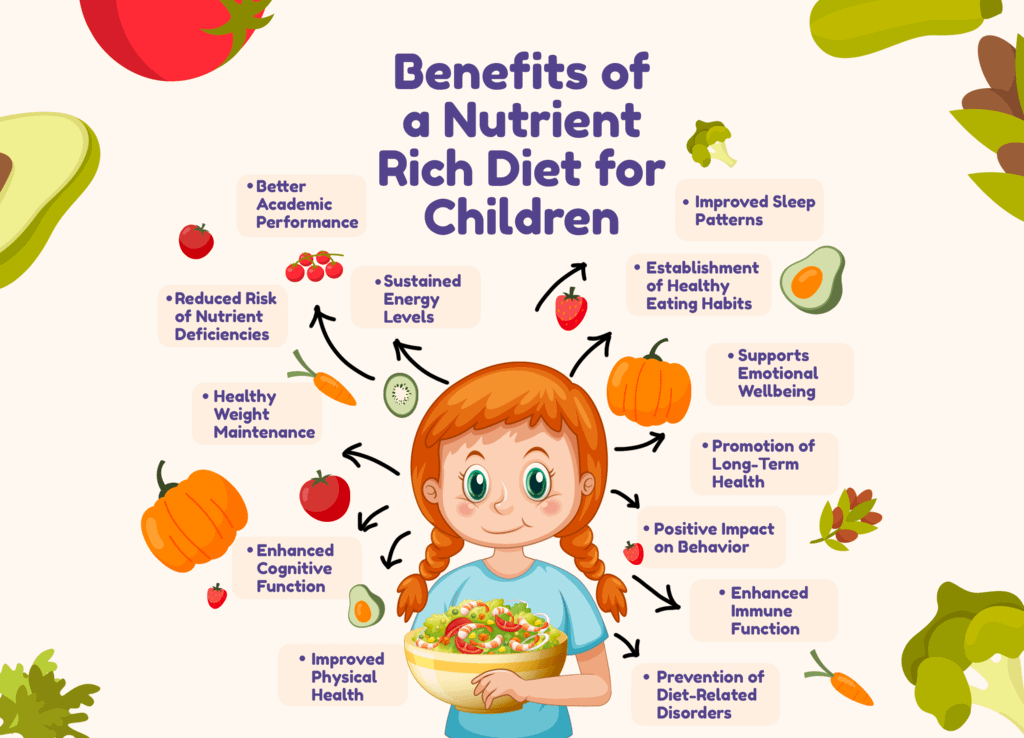
Knowing how to prepare simple meals and understand nutrition fosters independence and health. Start with easy recipes, grocery shop together, and discuss balanced meals. Meal-planning challenges turn learning into fun family activities.
- Problem-solving and decision-making
Life presents choices every day. Guide teens through weighing options, predicting outcomes, and accepting responsibility for decisions to build critical thinking and resilience. Encourage reflection after decisions to learn from outcomes.
- Personal safety and first aid
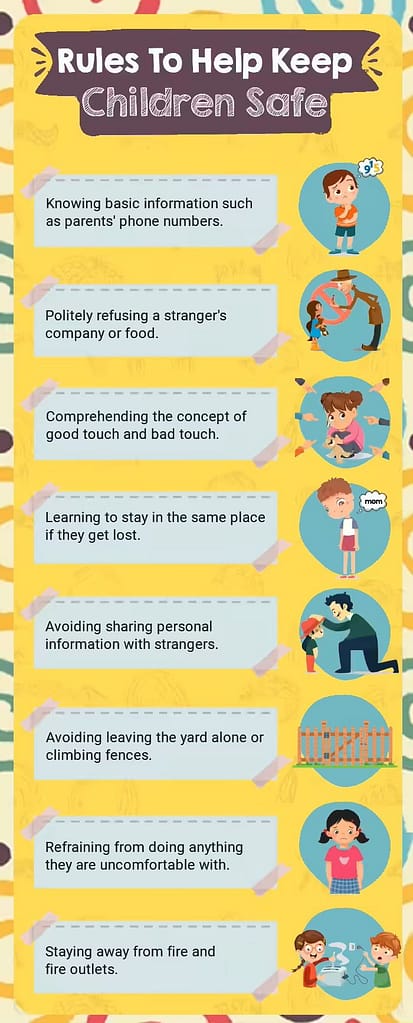
Teach road safety, online safety, and basic first aid. These practical skills for teens can prevent harm and prepare them to respond in emergencies. Practice mock scenarios so responses become automatic.
- Digital literacy and online etiquette
Navigating social media responsibly, protecting privacy, and evaluating information are essential. Model good digital habits and discuss the long-term impact of online behaviour. Critical thinking online is as important as reading critically offline.
- Household management
Laundry, basic repairs, and organizing space are practical tasks every young adult should know. Assign chores and show, don’t just tell, how things are done. A checklist and simple routines make household skills manageable.
- Career readiness and goal-setting
Help teens explore interests, build resumes, and practice interviews. Encourage short-term goals and celebrate milestones to keep motivation high. Internships, volunteer projects, and mock interviews give hands-on exposure.
CurioBuddy Activity Idea: The Feelings Jar
Keep a small jar at home and ask your child to drop one note into it every day. The note can say, “Today I felt happy when…”, “Today I felt worried because…”, or “Today I felt proud when…”. Once a week, read the notes together and talk gently about the emotions.
This simple activity builds emotional vocabulary, reflection, parent-child bonding and confidence in expressing feelings.
Continue Your Child’s Joyful Learning Journey
Emotional growth becomes easier when children read stories, discuss characters, express ideas and try simple reflection activities. CurioBuddy and The KK Times include child-friendly stories, activities and creative prompts that support reading, empathy and confidence.
How to teach these life skills for kids
Use step-by-step demonstrations, hands-on practice, and gradual responsibility. Real-life projects — planning a small event, running a budget, or preparing a family meal — turn learning into memorable experiences. Schools and community programs can reinforce these lessons, and parents should offer guidance without taking over.
Practical resources and activities make learning engaging. Community workshops, mentorship programs, and family projects provide supportive environments where teens can apply skills. Encourage goal-based challenges — for example, a month-long saving challenge for a desired item, or a cooking rotation where each teen plans and prepares one meal per week. Schools can incorporate modules that highlight life skills for kids and teens such as financial literacy clubs, peer-led communication circles, and hands-on workshops that connect classroom learning with everyday needs.
Measuring progress can be simple: use checklists, reflection journals, and regular conversations to track growth. Celebrate improvements, no matter how small, and frame mistakes as learning moments. By weaving these lessons into daily life, adults make skill-building part of growing up rather than a one-time lesson. The result is a generation better prepared to face adult responsibilities with curiosity and competence.
Parents and mentors should keep a running list of priorities: the top life skills for teens often overlap with the top life skills for teenagers — communication, budgeting, and emotional regulation. Planning mini-lessons on these life skills for kids & teens and reviewing progress weekly keeps momentum. When adults model these behaviours, both life skills for teenagers and practical competence grow naturally.
FAQs on Emotional Growth in Children
What is emotional growth in children?
Emotional growth in children means learning to recognise, name, express and manage feelings in healthy ways. It also includes empathy, resilience, confidence and the ability to talk about emotions with trusted adults.
How can parents start teaching emotional skills at home?
Parents can start by naming feelings, listening before correcting, creating predictable routines, using stories to discuss emotions and modelling calm behaviour during stressful moments.
What should I do when my child gets overwhelmed easily?
Offer comfort first, reduce the immediate demand, use simple breathing or quiet time, and discuss the situation after the child is calmer. Predictable routines and small choices can also help children feel safer.
Which activities support emotional development in children?
Feelings charts, role play, storytelling, drawing emotions, puppet conversations, gratitude notes and a weekly feelings jar can help children express and understand emotions in a safe way.
How do stories help children understand emotions?
Stories help children see how characters feel, make choices and solve problems. Discussing characters can make emotional conversations easier, especially for shy children.
Can CurioBuddy resources support emotional learning?
Yes. CurioBuddy and The KK Times include stories, activities and reflection prompts that can help children build reading habits, empathy, creativity and emotional vocabulary in an age-appropriate way.
Parent note: This article is for general educational support and is not a substitute for professional child psychology, counselling, medical or therapeutic advice. If a child shows persistent distress, extreme anxiety, aggression, withdrawal or self-harm-related signs, parents should consult a qualified professional.

9 thoughts on “10 Essential Life Skills for Kids: Every Teen Should Learn”
Comments are closed.
Love how you make everyone feel valued and heard here always
This information is exactly what I needed to move forward confidently
Love this 😊 so much
Your work has genuinely made such a positive difference in my entire life 💯
Thanks for inspiring change
Your style feels genuine
Your content always hits different in best way
This really helped me today
Love how 💪 you make difficult concepts seem simple and easy to understand